
Cultural Sustainability
Cultural Sustainability
Cultural sustainability is often spoken about as an academic idea - something for researchers, policymakers, or institutions to define. But for most of us, it begins somewhere much simpler: in our kitchens, our rituals, and the stories we quietly pass from one generation to the next.
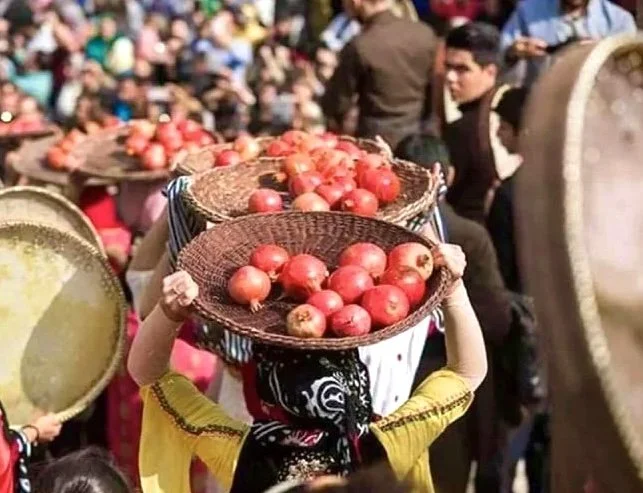
Growing up in Iran, every season arrived with a celebration.
Every harvest carried its own meaning.
And every table - whether quiet or full of conversation - reminded us who we were, where we came from, and how we stayed connected.
Mornings began with fresh bread from the tandoor bakery, brewed loose-leaf tea, homemade jam, butter and cheese - sometimes cucumbers, tomatoes, herbs, or softly cooked eggs on special days. We didn’t think of these moments as “cultural sustainability,” but that is exactly what they were:
daily rituals that held our values, our togetherness, our sense of belonging.
When I moved to the UK, I realised that staying connected to my roots happened most naturally through cooking - through recreating the flavours, rhythms, and small ceremonies with stories I grew up with. Food, I discovered, carries far more than taste.
It carries memory, identity, belonging, continuity.
For many immigrants, food becomes our first language in a new place.
Some of my earliest friendships in London began with shared food - a gesture of interest, of welcome, of “this is who I am.”
We introduce ourselves through what we cook.
Often, that tells our story long before we speak.
The sense of hospitality I remembered from home especially my father’s love of keeping our table open to friends and family stayed with me. And perhaps because no family was nearby here in London, I felt an even stronger pull toward creating that same warmth.
As I started hosting my Persian Supper Clubs at my home in London, something became beautifully clear:
Every time someone tasted tahdig for the first time, heard the story behind a spice, or learned the meaning of a ritual, a spark of culture travelled forward.
A piece of heritage found new life in someone else’s experience - and I, as the host, felt more rooted, more connected to the community I now call home.
This is cultural sustainability - not a grand idea, but a human practice.
It lives in small, gentle moments:
a recipe passed down,
a tradition shared,
a dish made with intention,
a table that welcomes strangers as if they were always meant to be there.
Food is one of the most powerful tools we have to keep culture alive - quietly, joyfully, and deliciously.
My hope is that through cooking, hosting, and sharing these stories, I can play a small part in keeping these threads of memory strong enough to travel into the future.
It is why I wrote my dissertation. It is why I continue this work.
And if you feel this too - if food holds meaning for you, or memory, or home -
you are already part of the story.